
All Primary Antibodies
Primary antibodies, immunoglobulins that bind to specific proteins or other biomolecules, are used in many research applications and protocols to detect targets of interest. They are developed using different animal hosts, including mouse, rat, rabbit, goat, sheep, and many others.
Monoclonal and Polyclonal Antibodies
One type of primary antibodies, monoclonal antibodies, provides high reproducibility and low cross-reactivity and background noise. Another type, polyclonal antibodies, often costs less and provides greater affinity and quicker binding. Both are produced using plasma B cells, but the former uses the same clone and the latter uses different clones. Monoclonal antibodies require hybridoma cell lines, and polyclonal antibodies do not.
There are also recombinant monoclonal antibodies with similar benefits, like high affinity, scalability, and specificity. They are produced using in vitro cloning of plasma B cells and expression hosts.
Conjugated Primary Antibodies
Antibodies can be labeled with various fluorophores or detection agents or used without labels. Labeled primary antibodies, also known as conjugated primary antibodies, help researchers simplify and streamline their applications. They are coupled with common enzymes and dyes such as Alexa Fluor and often used in protein and cell analysis.
Applications
Antibodies for life sciences applications are used in flow cytometry, western blotting, ELISA, immunohistochemistry, and immunocytochemistry. Secondary antibodies can be added to support the detection and purification of certain antigens. They bind to the primary antibody, which binds to the antigen of interest. Finding the right combination of antibodies can result in greater antigen specificity and a strong, detectable signal.


Invitrogen™ Cystatin 2 Monoclonal Antibody (237305)
Rat Monoclonal Antibody
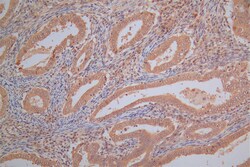
Invitrogen™ PRDX2 Recombinant Mouse Monoclonal Antibody (4E8)

Mouse Recombinant Monoclonal Antibody
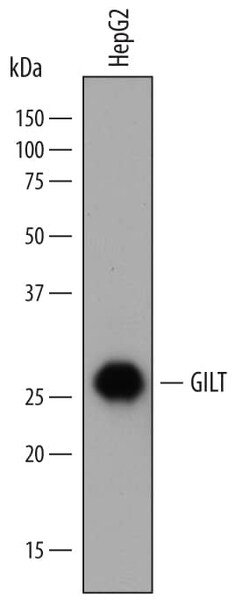
Invitrogen™ IFI30 Polyclonal Antibody
Sheep Polyclonal Antibody
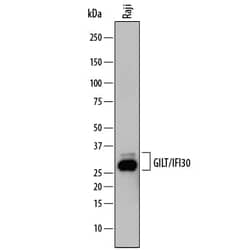
Invitrogen™ IFI30 Monoclonal Antibody (844623)
Mouse Monoclonal Antibody

Mouse Kininogen Light Chain Antibody, R&D Systems™
Rat Monoclonal Antibody
Human Kininogen Antibody, R&D Systems™
Goat Polyclonal Antibody
Human Kininogen Antibody, R&D Systems™
Mouse Monoclonal Antibody
Mouse Kininogen Antibody, R&D Systems™
Rat Monoclonal Antibody
![CNOX Antibody [HRP], Novus Biologicals™](https://assets.fishersci.com/TFS-Assets/CCG/Novus-Biologicals/product-images/novus_antibodies.jpg-250.jpg)
CNOX Antibody [HRP], Novus Biologicals™
Rabbit Polyclonal Antibody
![CNOX Antibody [DyLight 594], Novus Biologicals™](https://assets.fishersci.com/TFS-Assets/CCG/Novus-Biologicals/antibodies/Product-Image-DyLight-594.jpg-250.jpg)
CNOX Antibody [DyLight 594], Novus Biologicals™
Rabbit Polyclonal Antibody
![CNOX Antibody [Alexa Fluor™ 594], Novus Biologicals™](https://assets.fishersci.com/TFS-Assets/CCG/Novus-Biologicals/antibodies/Product-Image-Alexa-Fluor-594.jpg-250.jpg)
CNOX Antibody [Alexa Fluor™ 594], Novus Biologicals™
Rabbit Polyclonal Antibody
![CNOX Antibody [Alexa Fluor™ 532], Novus Biologicals™](https://assets.fishersci.com/TFS-Assets/CCG/Novus-Biologicals/antibodies/mab10392af532_mouse-monoclonal-2b4-cd244-slamf4-antibody-146506-alexa-fluor-532-31720238232315.jpg-250.jpg)
CNOX Antibody [Alexa Fluor™ 532], Novus Biologicals™
Rabbit Polyclonal Antibody
CNOX Antibody [Janelia Fluor™ 646], Novus Biologicals™
Rabbit Polyclonal Antibody
![CNOX Antibody [PE], Novus Biologicals™](https://assets.fishersci.com/TFS-Assets/CCG/Novus-Biologicals/antibodies/Product-Image-PE.jpg-250.jpg)
CNOX Antibody [PE], Novus Biologicals™
Rabbit Polyclonal Antibody
![CNOX Antibody [DyLight 650], Novus Biologicals™](https://assets.fishersci.com/TFS-Assets/CCG/Novus-Biologicals/antibodies/CD45-Antibody-(30-F11)-DyLight-650-Product-Image-NB100-77417C-img0001.jpg-250.jpg)
CNOX Antibody [DyLight 650], Novus Biologicals™
Rabbit Polyclonal Antibody