Mechanical Homogenizers, Homogenizers and Immersion Blenders
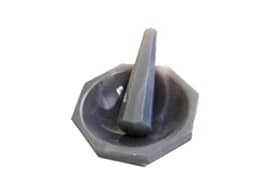
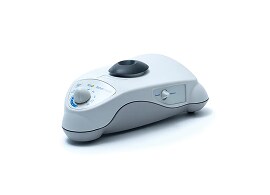
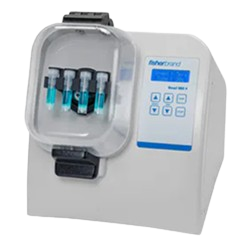
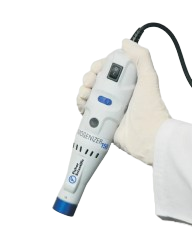
Powered devices used for the grinding, lysing, and homogenization prior to molecular extraction. The product is available in both handheld and benchtop models. It can be purchased as a complete kit, which includes stand, motor, and probe. Additionally, the kits also come with pestle accessories.


Useful Links
Must Have

Product Code 200021251

Product Code 8015458

Product Code 15525799

Product Code 11766058

Product Code 4950196

Product Code 11482360

Product Code 10429774

Product Code 11472380

Product Code 11490576

Product Code 15515799

Product Code 15505819

Product Code 15515819

Product Code 30057808
Save Now - Exclusive Deals
Product Code 15525799

Product Code 17455799
Product Code 4950196
Complete Your Order - Great Deals



FAQ
A mechanical homogenizer is a powered laboratory instrument used to disrupt, mix, or emulsify biological and chemical samples. It uses rapidly rotating blades or probes to break up cells, tissues, or other materials into a uniform mixture. Common applications include tissue homogenization, cell lysis, and sample preparation for molecular biology, biochemistry, and analytical testing. Mechanical homogenizers deliver consistent, reproducible results and are widely used in research and industrial laboratories.
When selecting a mechanical homogenizer, consider the following factors:
Sample Volume Range: choose a model that matches your expected volumes, from microliters to 100 mL or more.
Sample Type: fibrous, viscous, or soft biological materials require different probe types and power levels.
Motor Power and Speed: high-speed or variable-speed motors handle tougher samples more efficiently.
Throughput Needs: hand-held homogenizers offer flexibility; benchtop models provide higher reproducibility and capacity.
Probe and Accessory Compatibility: ensure probes and tips match your intended applications. Selecting the right configuration ensures efficient homogenization and maintains sample integrity.
Mechanical homogenizers use rotating blades or probes to physically shear and mix samples. Ultrasonic homogenizers rely on high-frequency sound waves to disrupt cells through cavitation. Bead-mill homogenizers employ a shaking motion with beads to grind samples inside closed tubes. Each method has its advantages:
Mechanical: simple, affordable, ideal for general laboratory use.
Ultrasonic: excellent for delicate samples and small volumes.
Bead-Mill: best for high-throughput or hard tissue homogenization. Choosing the correct type depends on your sample characteristics, throughput, and processing needs.
Top Brands