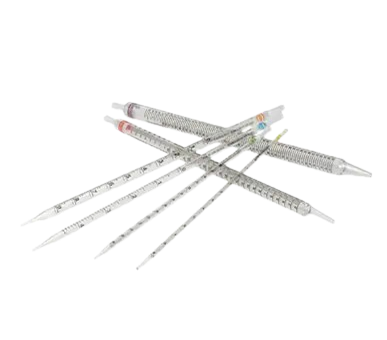
Serological Pipettes
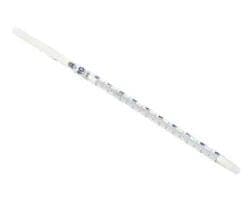
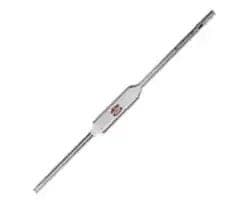
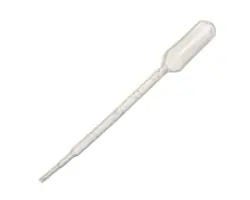
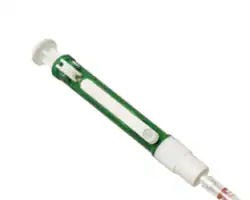
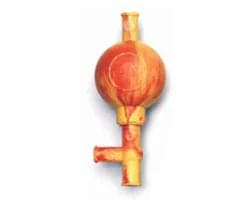
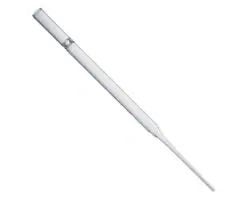
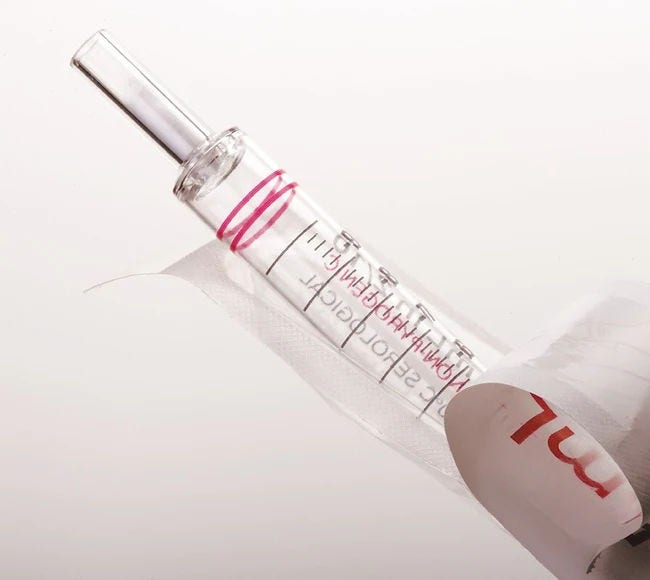
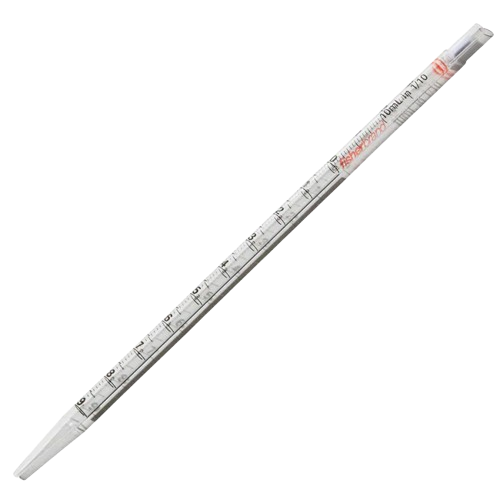
Serological pipettes are used for transferring liquids and mixing chemical solutions or cell suspensions with the help of a pipette dispenser. Offered in graduated glass or plastic and marked 'To Contain' or 'To Deliver', they are available in both sterile or non-sterile forms and different lengths.

Useful Links
Save Now - Exclusive Deals

Product Code 11879181

Product Code 10127400

Product Code 16430901
Product Code 11809660

Product Code 10041591
Product Code 16420901

Product Code 10693981

Product Code 11809670

Product Code 10611604
Product Code 16490901
Must Have
Product Code 11869181
Product Code 10636391
Product Code 16450901
Product Code 11849181
Product Code 16440901

Product Code 10468312
Product Code 11839181
Product Code 10127000
Product Code 10282371
Product Code 11537752
Complete Your Order - Great Deals

FAQ
Serological pipets offer several benefits in a laboratory setting, including versatility and precision in liquid handling. They are ideal for measuring and transferring larger volumes of liquids, making them suitable for various applications such as cell culture, reagent preparation, and sample mixing. Serological pipets are typically graduated, allowing for accurate measurement of liquid volumes. They are available in different sizes and materials, such as plastic or glass, to accommodate specific experimental needs. Additionally, serological pipets are designed for single-use or reusable purposes, providing flexibility and convenience in the lab.
Proper use and disposal of serological pipets are essential for maintaining laboratory safety and accuracy. When using serological pipets, ensure that you select the appropriate size and material for your application. Attach the pipet to a pipet filler or controller for precise liquid handling. Avoid touching the pipet tip to prevent contamination. After use, dispose of single-use pipets in designated biohazard or waste containers according to your laboratory's protocols. For reusable pipets, clean and sterilize them according to the manufacturer's instructions before reuse. Proper handling and disposal practices will help maintain a safe and efficient laboratory environment.
Common issues with serological pipets include inaccurate volume measurement, which can be caused by improper handling or using a damaged pipet. Ensure that you are using the correct pipet size and handling it properly to achieve accurate measurements. Contamination is another issue, especially when pipets are reused; always follow proper sterilization procedures to prevent contamination. Leaking can occur if the pipet is damaged or if it is not securely attached to the pipet filler. Regularly inspect pipets for any signs of damage and ensure proper attachment to the pipet filler. By addressing these common issues through proper selection, handling, and maintenance, you can ensure the reliable performance of your serological pipets.
Shop By Brand